IP68 Protection Rating Analysis and Application Fields of Waterproof Endoscope Camera
Release time:2026-03-10 Click:8
In various industrial inspection scenarios, waterproof endoscope camera are core tools that break through environmental limitations. Equipped with probes with an IP68 protection rating, they can withstand harsh conditions such as dust and standing water, catering to a wide range of inspection and maintenance needs across industrial and civil sectors. This article deciphers the implications of the IP68 protection rating, analyzes its structural design, and outlines key considerations for application and selection, helping readers fully master the usage and selection skills of this tool.
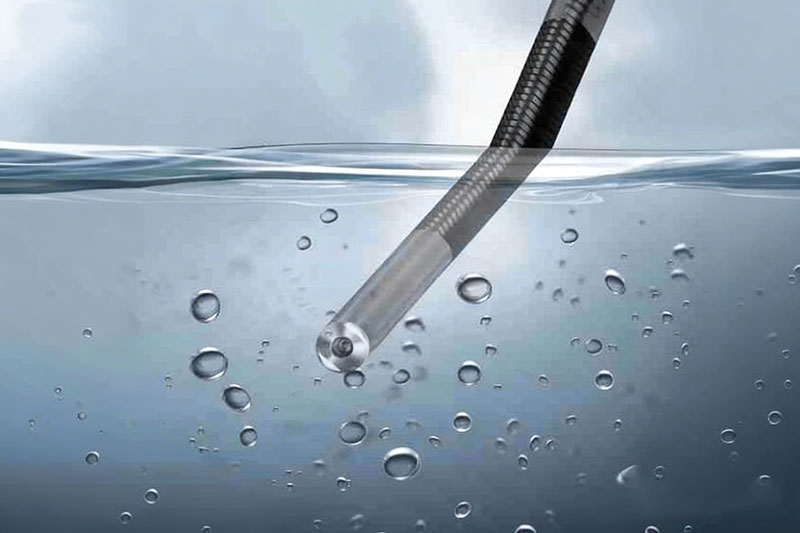
I.In-depth Interpretation of the IP68 Protection Rating for waterproof endoscope camera
IP68 is the top-tier protection rating under the IEC 60529 standard set by the International Electrotechnical Commission. Composed of two numerical digits corresponding to stringent testing criteria, it is pivotal for the stable operation of equipment in complex environments and a key marker of high-quality waterproof endoscope camera.
1. Digit "6": Dust-tight Protection, a Solid Barrier Against Dust
It means complete prevention of dust ingress into the equipment interior. Precision components of endoscopes, such as optical lenses, LED lights and internal circuits, will suffer from reduced imaging clarity and shortened service life if contaminated by dust. This protection enables the equipment to operate in dusty environments like cement plants and flour mills, keeping core components unharmed and ensuring inspection accuracy and service life.
2. Digit "8": Continuous Submersion Protection, the Core Guarantee for Underwater Operations
As the core of IP68 and the key differentiator between regular and professional waterproof endoscope camera, this rating is often misunderstood. It is defined as the ability of the equipment to operate normally when continuously submerged in water under manufacturer-specified conditions, which is essentially different from IP7: IPX7 only resists accidental submersion in 1 meter of water for 30 minutes and cannot meet the demands of active underwater inspections. IPX8 features far more stringent testing parameters, with water depth exceeding 1 meter and submersion time over 30 minutes; professional models can even operate at a water depth of 5 to 50 meters with submersion for hours or even permanently. It should be noted that there is no unified standard for IP68, with significant parameter differences between consumer-grade and industrial-grade products. When making a purchase, attention should be paid to specific protection parameters rather than just the rating label.
3. IP68 Testing Logic: Simulating Real Water Pressure to Verify Sealing Performance
The test is not a simple immersion in clean water, but involves pressurizing in a pressure tank to simulate real underwater pressure. For example, to test the protection capability at a 10-meter water depth, a pressure equivalent to a 10-meter water column (approximately 0.1MPa) is applied for a specified period to verify the integrity of the sealing structure, ensuring no water ingress or malfunctions in actual underwater environments.
II. IP68 Probes for waterproof endoscope camera: Structural Design and Technical Challenges
Achieving the IP68 protection rating is a comprehensive test of the equipment's structural design, material selection and process technology. Every detailed design is engineered to ensure the stable operation of the equipment in dusty, underwater and high-pressure environments.
- Multi-layer Sealing Structure: At vulnerable parts prone to dust and water ingress, such as the connection between the probe insertion tube and the handle, the front end of the lens and cable interfaces, dual O-rings, ultrasonic welding and other processes are adopted to create an all-round sealing barrier, blocking dust and water molecules from the source.
- Pressure-resistant Optical Window: The protective window pane at the front of the lens balances high light transmittance with robust sealing properties, able to withstand the impact of underwater pressure, prevent breakage and water ingress, and ensure clear underwater imaging.
- Special Material Insertion Tube: Made with polyurethane coating or stainless steel braided layer, the tube is wear-resistant, oil-resistant and impermeable to long-term water molecule penetration. Meanwhile, its excellent flexibility allows for flexible advancement in complex pipelines and equipment, adapting to diverse inspection scenarios.
- Waterproof and Breathable Technology: High-end models are filled with inert gas or fitted with waterproof and breathable membranes to balance the pressure difference between the inside and outside of the equipment, avoiding damage to the sealing structure caused by uneven pressure during deep-water operations and improving the stability of underwater protection.
III. Comprehensive Application Fields of waterproof endoscope camera
Equipped with an IP68 protection rating, waterproof endoscope camera leverage the dual capabilities of dust-tightness and continuous submersion to break the environmental limitations of traditional inspection tools, becoming an irreplaceable testing instrument across multiple industries. Moreover, models for different industries are designed with targeted optimizations to make inspections more efficient and safe.
Industrial Sector | Typical Applications of waterproof endoscope camera | Irreplaceable Value of IP68 Protection for waterproof endoscope camera |
Power Systems | Engines in aerospace, automotive and other industries | Endoscope probes can directly enter oil-filled environments for inspections |
Municipal Engineering | Inspection of sewage pipelines and rainwater networks | Direct inspection in fully water-filled pipelines without water pumping, improving pipeline inspection efficiency |
Petrochemical Industry | Inspection of pressure vessels, storage tanks and oil-gas pipelines | Liquid-filled inspection, shortening equipment shutdown maintenance time and reducing shutdown losses |
Marine and Shipping Industry | Inspection of underwater ship hulls, ship pipelines and subsea structural components | Direct underwater operation, avoiding the high cost of dry-docking inspections and reducing ship downtime |
Power and Energy Industry | Inspection of boiler headers, condensers and geothermal wells | Adapt to high-temperature and high-humidity environments with stable imaging, providing a basis for the safe startup of equipment |
Nuclear Industry | Inspection of radioactive water tanks and radioactive pipelines | Remote operation replacing manual work, maximizing personnel safety |
Civil Sector | Maintenance of household sewer pipes, air conditioning pipelines and automotive water channels | Solving the daily trouble of "invisible" inspections, portable and easy to operate, realizing tool popularization |
Hot products

Industrial borescope 3D measurement function - X5 Series
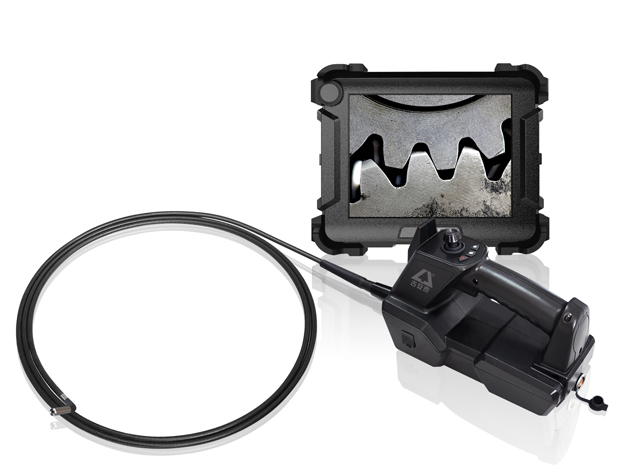
Engine borescope inspection camera Industrial Videoscope- C68 series
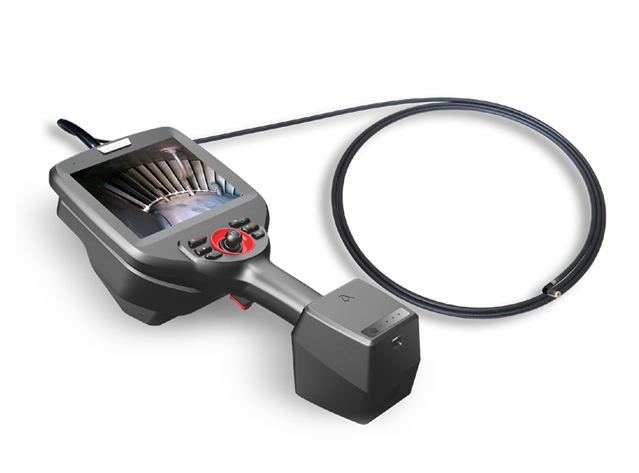
Coantec C65 series 3D Measurement High Definition Industrial Videoscope
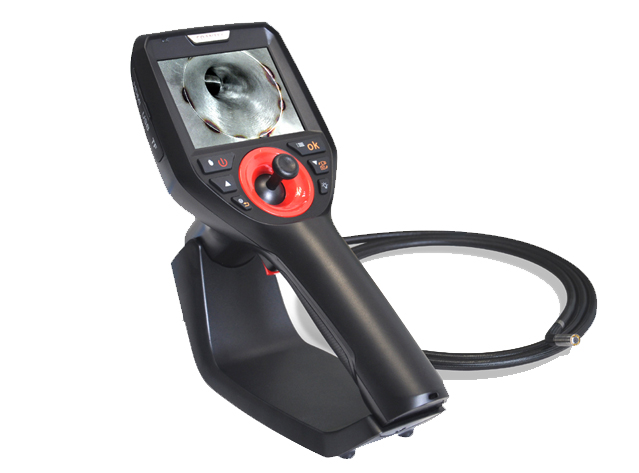
Super HD Mega Pixel Industrial Videoscope of Coantec C40 series
Tel:+86 13714520051
E-mail:flora@chinavideoscope.com

CONTACT US